
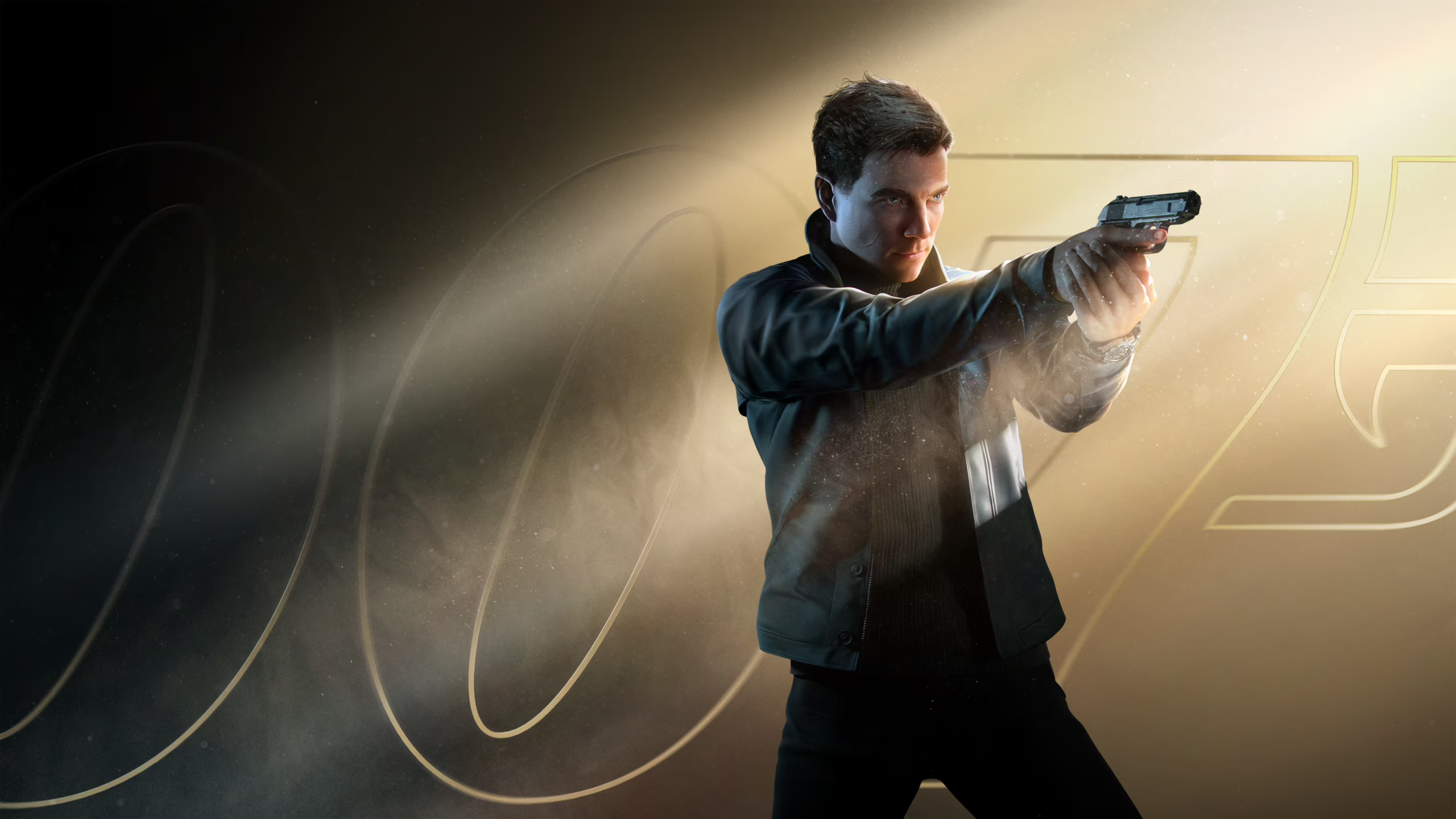
There are games that desperately want to be movies. Sometimes so much so that the gameplay itself starts taking a back seat. That’s exactly how I felt while playing 007 First Light. IO Interactive’s take on James Bond is visually stunning, captures the spirit of a spy thriller better than many modern action films, and genuinely impressed me more than once. The problem is that once the initial excitement fades, what’s left underneath is often a surprisingly straightforward game.
That’s a shame, because the premise is genuinely excellent. Instead of another adventure starring the legendary Agent 007 at the peak of his career, we’re introduced to a much younger Bond who’s only just entered MI6. He’s impulsive, inexperienced, and much closer to an ambitious recruit than the polished secret agent we’ve known for decades. It’s an origin story built around betrayal, political conspiracies, and classic Bond-style espionage—exactly the kind of setup you’d expect from the studio behind Hitman. Which makes it all the more surprising that First Light can feel both spectacular and surprisingly shallow at the same time.
Let’s start with what this game actually is. 007 First Light is a third-person action game centered around Britain’s most famous secret agent. Rather than throwing players straight into the shoes of the iconic 007, IO Interactive takes us back to the beginning. Bond starts out as a young naval airman whose bravery catches the attention of MI6, earning him a place in the prestigious 00 program.
The story revolves around a rogue agent and a conspiracy that threatens to destabilize the government, quickly diving into familiar Bond territory filled with secret organizations, political intrigue, and powerful people plotting behind the closed doors of luxurious offices. And honestly? I really liked the idea of telling Bond’s origin story this way. It gives the writers room to portray him as impulsive, occasionally reckless, and far from the perfectly composed spy he eventually becomes. Fans of Ian Fleming’s novels will also appreciate one small but welcome detail—this Bond even bears the facial scar described in the books.
The missions take players across a variety of locations, from sun-soaked Mediterranean training facilities and European airports to lavish mansions and exotic Asian resorts. I actually enjoyed this mission-based structure. First Light isn’t an open-world game, nor does it pretend to be one. Every mission feels like another chapter of a Bond movie: a new destination, new allies and enemies, another dangerous assignment, and, naturally, plenty of stylish chaos before the credits roll.
The cracks begin to show once the game starts pretending it offers far more freedom than it actually does. Before release, IO Interactive emphasized that missions could be completed stealthily, aggressively, or through clever use of gadgets and environmental interactions. Technically, that’s true. Mechanically, the game combines stealth, gunplay, and light improvisation. In practice, however, it often feels more like the illusion of choice than genuine freedom.
The biggest examples are the levels clearly inspired by Hitman. Large maps, multiple routes, overheard conversations, disguises, and security passes initially suggest countless ways to approach your objective. At first, it’s exciting. You begin imagining elaborate plans and creative solutions. Before long, though, it becomes obvious that the game strongly nudges you toward one specific approach, while most alternatives exist primarily to create the appearance of flexibility rather than truly supporting it.
As the campaign progressed, I increasingly felt like a passenger instead of someone actually orchestrating the mission. Sure, there are several ways to infiltrate a location. You might sneak in through a side entrance, climb onto a balcony, crawl through maintenance tunnels, or rely on Bond’s gadgets. But it quickly becomes apparent that nearly all of these options are carefully controlled by the designers.
A conveniently blocked ladder here. A guard standing in exactly the right position there. Invisible barriers that quietly funnel you back toward the intended route. Every now and then the game loosens its grip and allows genuine improvisation, and those moments are incredibly satisfying. Silently eliminating guards, eavesdropping on conversations, manipulating the environment, and using Bond’s gadgets all deliver the kind of spy fantasy I’d been hoping for.
The catch is that you have to accept what First Light really is. It’s much closer to a tightly scripted puzzle than a true sandbox where your own creativity drives every encounter.
One thing I genuinely appreciated is that IO Interactive never tries to turn Bond into nothing more than a silent ghost hiding in the shadows. When a plan inevitably falls apart, First Light seamlessly transforms into a full-blown action shooter. Cover mechanics, fast-paced firefights, and cinematic gun battles take over, and, thankfully, the game doesn’t fall apart during those moments. The shooting mechanics are fairly simple and undeniably arcade-like, but they’re responsive enough to make the larger action sequences consistently entertaining.
One area where I think IO Interactive made the right decision is refusing to turn Bond into nothing more than a stealth specialist. The moment a carefully planned mission falls apart—and it often does—First Light quickly shifts into a full-blown action game. Cover shooting, explosive firefights, and fast-paced combat take center stage, and, thankfully, those sequences are genuinely enjoyable. The gunplay isn’t particularly deep and definitely leans toward arcade-style action, but it’s responsive enough to make the more cinematic moments exciting rather than frustrating.
Then the driving sections arrive.
Honestly, they’re probably the weakest part of the entire game.
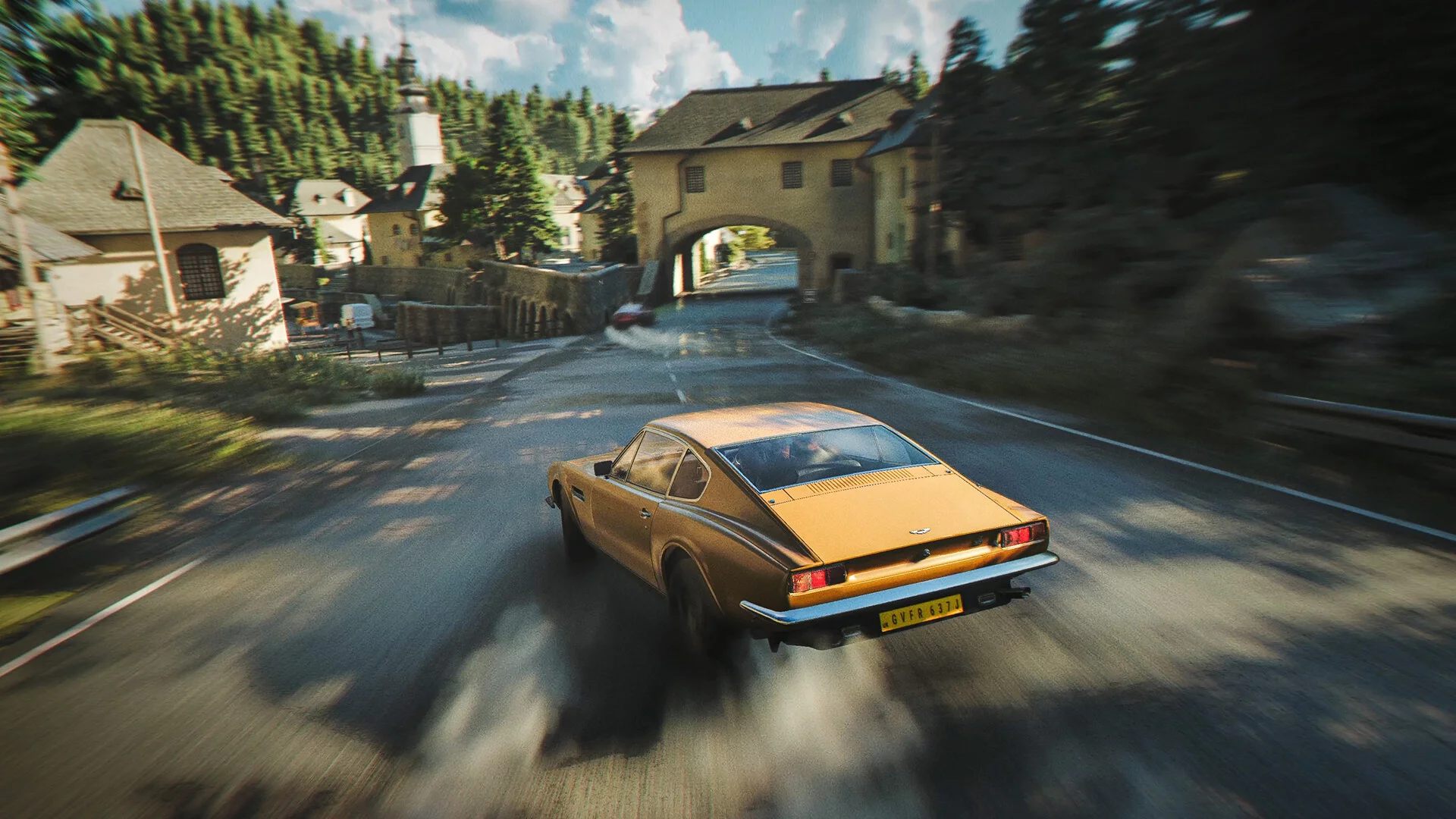
The issue isn’t just the driving model itself. Cars feel heavy, stiff, and often seem to slide across the road instead of gripping it. The bigger problem is how terrified the game is of giving players even the slightest bit of freedom. Invisible walls are everywhere. Try taking a side street, looking for an alternate escape route, or experimenting with a different approach during a chase, and the game immediately reminds you who’s really in control.
During one chase sequence, I deliberately went looking for a shortcut just to see whether the game would reward a bit of creativity. Instead, it simply reset my position and forced me back onto the intended route. No believable roadblock. No crashed vehicle blocking the way. Just an invisible boundary followed by an instant correction. For a game that spends so much of its campaign selling the fantasy of being a resourceful secret agent capable of improvising under pressure, moments like these feel surprisingly restrictive.
Unfortunately, the problem extends far beyond the driving sequences.
Nearly every level creates the illusion of openness without fully committing to it. Rooftops, balconies, ventilation shafts, side entrances, and multiple pathways all suggest that experimentation is encouraged. Eventually, though, you’ll almost always run into invisible restrictions that quietly funnel you back toward the designers’ preferred solution.
Had First Light simply embraced being a linear action game, I probably wouldn’t have minded. Instead, IO Interactive constantly promotes the fantasy of approaching missions your own way—only to take that freedom away the moment you stray too far from the script. That’s when the Bond fantasy begins to lose some of its magic.
Another issue is the game’s uneven difficulty curve. Most of the campaign moves along at a satisfying cinematic pace. The focus remains on pushing the story forward while mixing stealth, gadgets, and action in a way that keeps things entertaining. Then, seemingly out of nowhere, you’ll encounter a mission that feels like it belongs to an entirely different game.
The airport shootout was the moment that stood out most to me. Suddenly enemies could kill me in just a couple of shots, cover became almost useless, the camera struggled to keep up with everything happening on screen, and success depended less on reacting naturally than on memorizing enemy spawns and attack patterns.
Instead of feeling like a skilled secret agent adapting to an evolving situation, I found myself repeating the encounter until I’d learned exactly when enemies appeared, where grenades landed, and when it was finally safe to leave cover. Moments like that completely break the flow and expose just how scripted some of the game’s action really is. Rather than creating tension, they simply make the campaign feel artificially stretched.
Ironically, I enjoyed the story far more than the gameplay itself.
Presenting Bond as an inexperienced recruit turns out to be one of the game’s smartest decisions. He’s impulsive, occasionally arrogant, makes questionable choices, and hasn’t yet grown into the legendary spy everyone recognizes. That makes him far more human—and, in many ways, more interesting.
His relationship with Greenway is another highlight. Greenway often feels like an exhausted mentor trying to keep an overconfident young hotshot from getting himself killed. Their conversations are full of dry humor, subtle sarcasm, and believable friction, creating a dynamic that’s surprisingly natural. It’s the kind of chemistry that’s missing from many modern action games, and it reminded me far more of the early Uncharted titles than anything else. Ironically, despite frequent comparisons, First Light really isn’t trying to be Uncharted at all.
I also enjoyed everything surrounding MI6 itself. Hidden facilities, gadget briefings, suspicious allies, intelligence reports, and secret operations all capture the classic Bond atmosphere remarkably well. The story never relies on outrageous plot twists to keep things interesting, and I actually think that’s the right choice. Instead, it focuses on a young man slowly learning that becoming a 00 agent requires far more than stylish one-liners and spectacular explosions.
A welcome dose of humor, several genuinely well-written conversations, and an absence of unnecessary self-importance help keep the narrative grounded. The game never tries to convince you it’s smarter than it really is, and it’s better because of that.
When it comes to presentation, though, First Light absolutely delivers. IO Interactive clearly understands what a modern Bond adventure should feel like—elegant, stylish, occasionally over-the-top, and unapologetically cinematic. Running on the Glacier engine, the game frequently looks spectacular. Cutscenes are beautifully directed, facial animations are impressively natural, and the action sequences have the kind of blockbuster polish that can genuinely make you forget you’re playing a game rather than watching the latest spy thriller.
The illusion starts to crack the moment gameplay resumes.
One sequence in particular stood out to me. After a plane explodes, Bond dives toward the ground in what initially looks like a breathtaking cinematic set piece. The trailers made this moment seem packed with debris, fire, and pure chaos. In the game itself, however, it feels surprisingly empty. Aside from dodging a few pieces of wreckage and steering around occasional obstacles, there’s very little happening. Instead of delivering a memorable Hollywood-style spectacle, the sequence comes across more like a simple minigame. Moments like these expose the gap between the cinematic ambition showcased in promotional material and what the gameplay actually delivers.
Fortunately, the soundtrack does a lot to maintain the illusion. It clearly draws inspiration from classic Bond scores without simply copying them. Strings, brass, tense stealth themes, and energetic combat tracks all blend together into something that feels familiar while still having its own identity. Sound design is equally strong. Gunshots carry satisfying weight, explosions feel powerful, and quieter moments benefit from subtle environmental sounds that help sell each location.
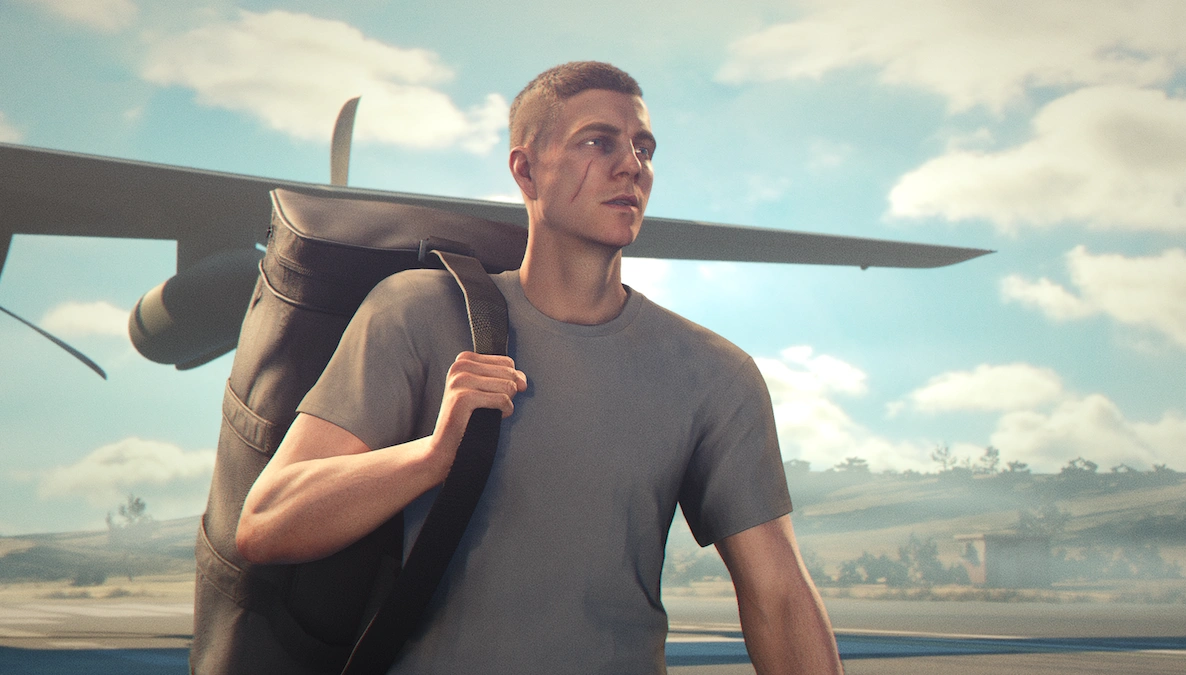

 Bond himself is another highlight. You can hear the confidence in his voice, but it’s still mixed with youthful arrogance and a clear desire to prove himself. It makes this younger version of the character feel believable and gives the dialogue a more natural rhythm. His conversations with Greenway remain some of the strongest scenes in the game, largely because their relationship evolves naturally over time. They constantly challenge each other, trade sarcastic remarks, and slowly earn one another’s respect.
007 First Light is ultimately a game aimed at a very specific audience. If you’re looking for a visually impressive spy adventure that you can simply sit back and enjoy over a few evenings, there’s a good chance you’ll have a great time. It’s one of those games that often feels closer to an interactive television series than a sandbox built around player creativity. You launch the next mission, watch another beautifully directed cutscene, enjoy the dialogue, and let the story carry you forward. For many players, that’ll be more than enough.
The game is also extremely generous with checkpoints, meaning failure rarely costs you more than a minute or two. One odd decision, however, is the way it pushes players toward staying online despite being an entirely single-player experience. You can play completely offline without any restrictions, but the game repeatedly encourages an internet connection without ever explaining why. Considering the noticeable product placement scattered throughout the campaign, I couldn’t help wondering whether certain in-game elements are designed to update over time. The game never confirms this, though, so it’s ultimately just speculation.
The real disappointment arrives if you’re expecting First Light to offer meaningful player freedom. If you enjoy games that reward experimentation and genuinely allow you to solve problems creatively, you’ll quickly begin noticing just how tightly controlled everything really is. Too often, the game only pretends to offer multiple solutions before firmly steering you back toward its intended path.
As a traditional action game that prioritizes gameplay depth and player agency, I’d probably land somewhere around a 6/10. It’s undeniably stylish, frequently atmospheric, and occasionally excellent, but too many questionable design choices, invisible walls, and heavily scripted sequences prevent it from reaching its full potential.
If you’re a Bond fan looking for an interactive spy adventure rather than a deep stealth sandbox, First Light becomes a far more enjoyable experience. Spending several evenings inside the world of MI6, watching beautifully directed cinematics, listening to strong dialogue, and following Bond’s first steps as a secret agent has its own appeal.
Despite all my criticisms, I played the game all the way to the end.
The biggest reason was simple: I genuinely liked this version of James Bond. He’s younger, rougher around the edges, overly confident, and still trying to figure out where he belongs in the world of espionage. The story itself doesn’t reinvent the franchise, but it has enough charm to keep you invested until the credits roll. And perhaps that’s the best way to sum up 007 First Light.
It’s a game that’s far better at selling the fantasy of being James Bond than it is at actually letting you become him.