
Movies built around seemingly ordinary dinner parties are always a risky proposition. All it takes is one uncomfortable question, one glass of wine too many, or one long-buried truth finally spoken aloud for the evening to spiral out of control. That’s exactly what The Invite, directed by Olivia Wilde, sets out to explore. It takes a simple premise, locks four characters inside a single apartment, and lets the tension build minute by minute—with the help of an exceptional cast.
Joe and Angela have been married for years. On the surface, they appear to have everything: a comfortable home, a child, and a stable life together. Beneath that polished exterior, however, lies frustration, unrealized ambitions, and a relationship slowly worn down by routine. When they invite their new neighbors, Hawk and Pina, over for dinner, what begins as a casual evening quickly turns into an emotional battle filled with uncomfortable questions, subtle provocations, and secrets no one is prepared to confront.
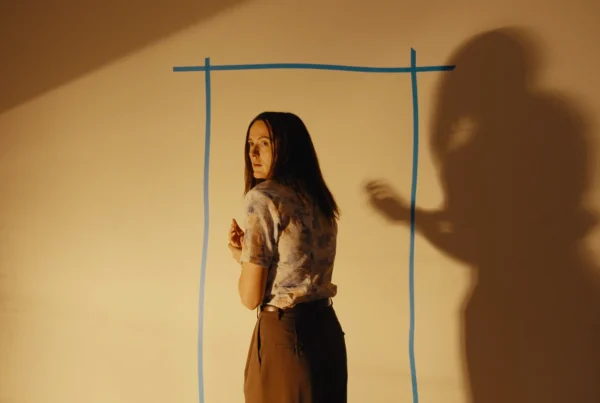
From its opening scenes, it’s clear that Olivia Wilde isn’t interested in making a conventional romantic comedy or a light domestic drama. The Invite is, above all, about people desperately trying to convince themselves that everything is fine—even when they know it isn’t. Wilde embraces an intimate approach, with most of the story unfolding inside a single apartment. As the evening progresses, every room becomes the stage for increasingly personal confrontations.
That intimate setting gives the film a distinctly theatrical quality. More than once, I felt as though I was watching a stage play adapted for the screen. I don’t see that as a criticism. Quite the opposite. The film lives through its dialogue, lingering glances, and everything the characters refuse to say out loud. There are no elaborate action sequences or spectacular plot twists. Instead, the focus remains on the carefully written dynamic between four people whose relationships become more tangled with every passing minute.
The cast deserves enormous credit for making it all work. Seth Rogen delivers a refreshingly restrained performance, revealing a side of himself we don’t often get to see. He’s still capable of making us laugh, but beneath the humor is a man exhausted by his own life and quietly disappointed by where it has led him.
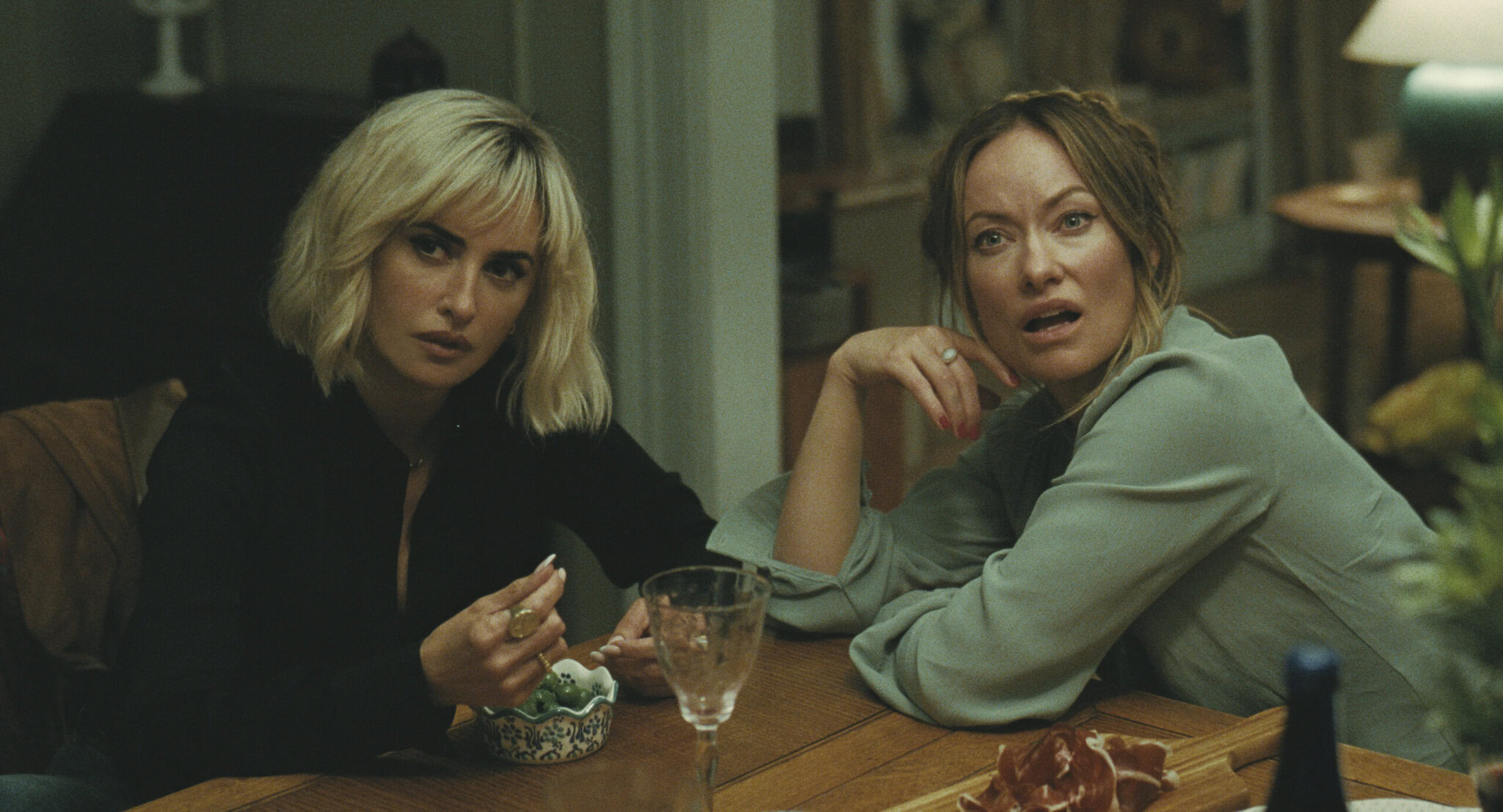
Olivia Wilde is equally compelling as Angela, a woman trying to maintain control even as her carefully constructed world slowly begins to crumble. Edward Norton is perfectly cast as the confident guest whose charisma is matched only by his ability to irritate everyone around him. And Penélope Cruz brings an infectious energy that makes every one of her scenes impossible to ignore—especially one particularly memorable exchange with Wilde.
The film’s greatest strength, however, lies in its dialogue. Conversations flow effortlessly from harmless small talk to discussions about desire, jealousy, loyalty, and the invisible boundaries people establish within relationships. As the evening unfolds, the characters venture deeper into territory usually reserved for their closest confidants—their private fears, hidden desires, and emotions that have been quietly accumulating beneath the surface for years.
The screenplay does an excellent job of showing just how fragile the line can be between an innocent conversation and a brutally honest confrontation. One casual joke, a passing memory, or an unexpected question is enough to expose years of compromise, silence, and emotional baggage. These are people who believe they know each other, yet continue to hide entire parts of themselves. Wilde and her writers make brilliant use of one long dinner to peel back those layers with remarkable patience.
The film also captures the unique tension that emerges when people begin speaking about love, sex, and expectations with a level of honesty that social conventions rarely allow. Eventually, the evening stops being about flirting or provocation. Instead, it asks a much more uncomfortable question: after years together, do we ever truly know the person sitting across the table?
That shift transforms an ordinary dinner into an emotional earthquake. As a viewer, I gradually stopped feeling like an observer and started feeling like another guest at the table—someone overhearing conversations that perhaps were never meant to be heard.
That isn’t to say the film is without flaws. Some of its themes—routine, dissatisfaction, and the search for alternative relationship dynamics—have been explored many times before. A few narrative turns are fairly predictable, and occasionally the script chooses to explain emotions rather than trusting the audience to interpret them.
The film’s theatrical DNA is also impossible to ignore. While it’s presented as an original screenplay, it often feels unmistakably like a stage production brought to the screen. That isn’t necessarily a weakness, but it did leave me wishing for a stronger sense of originality. It also meant that several moments failed to surprise me as much as they clearly intended to.
Even so, the film works remarkably well. Olivia Wilde maintains a confident rhythm throughout, while the screenplay carefully adds new layers to its emotional puzzle without losing sight of its characters. The result is a film that’s frequently funny, occasionally uncomfortable, and, at times, painfully honest.
The Invite doesn’t reinvent relationship dramas or offer groundbreaking insights into modern romance. Instead, it delivers a smartly written and beautifully acted story about people who finally stop hiding what they’ve carried inside for years. If you enjoy intimate, dialogue-driven films that rely on character dynamics rather than spectacle, this is an invitation well worth accepting.
Sometimes all you need is one apartment, four remarkable actors, and a dinner that goes spectacularly wrong.